Hyperbaric oxygen therapy for post-op recovery.
Understand the chamber, pressure, oxygen, preparation, safety questions, and the limits of complementary treatment after plastic surgery.

Pressure and oxygen, delivered by protocol.
Hyperbaric oxygen therapy takes place in a chamber pressurized above normal atmospheric pressure. Increased pressure changes how gases behave and can increase the amount of oxygen dissolved in plasma.
That mechanism does not make every recovery goal an automatic medical indication. The practical value of a session depends on patient selection, the chamber type, pressure in atmospheres absolute, oxygen delivery, session duration, frequency, monitoring, and coordination with qualified clinicians.
Ask Bella Oxygen to explain those elements in plain language before you commit to a plan. A patient should know what will happen, how they can communicate, how pressure is adjusted, and what would cause a session to stop.
Preparing for care? Review what to expect during a first session and the safety guide, then confirm your individual questions with the clinic.
Inside the treatment experience.
These real Bella Oxygen images show the chamber interior and control system. They are not generic representations.
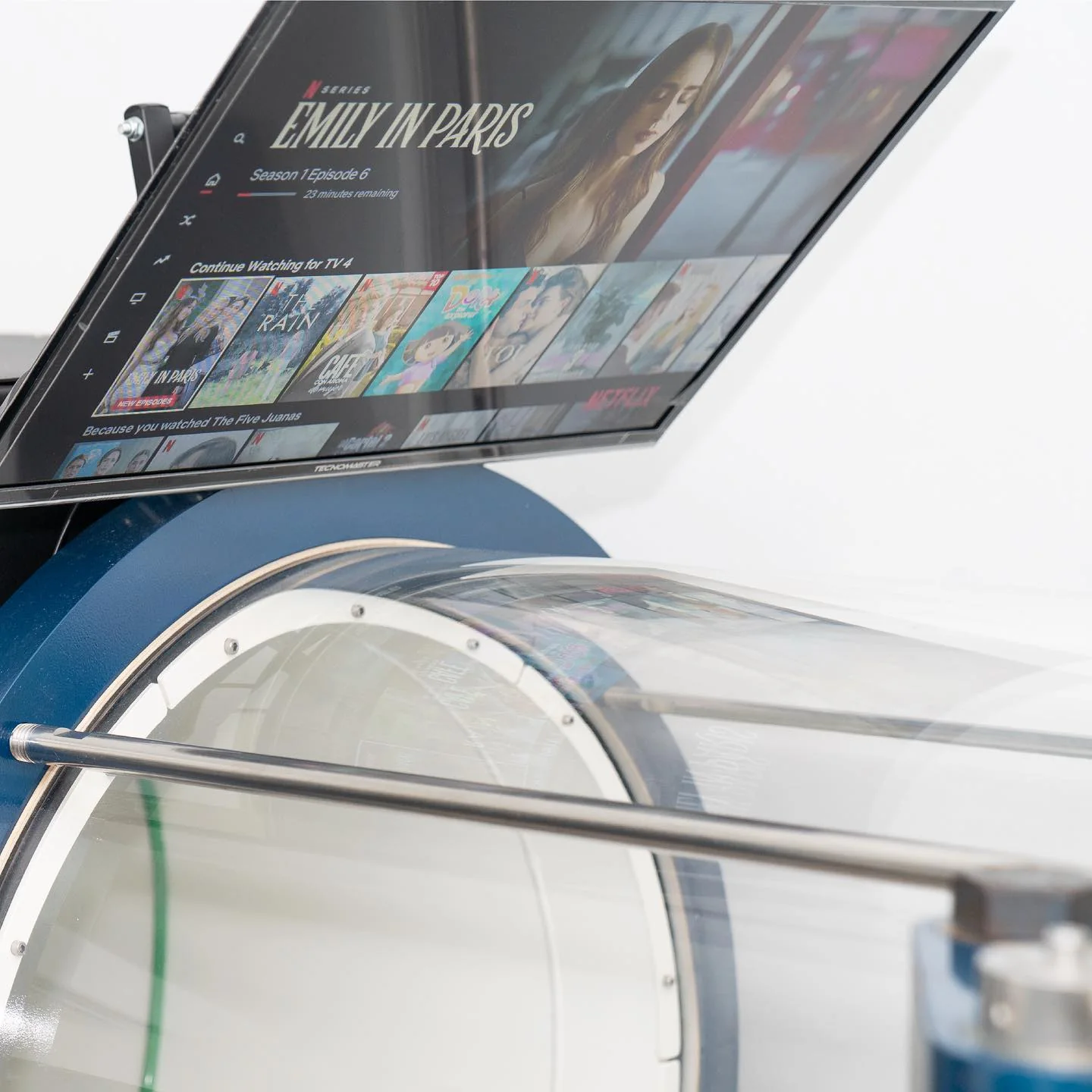
Chamber environment
A clear acrylic chamber with an interior resting surface and a wall-mounted television above.
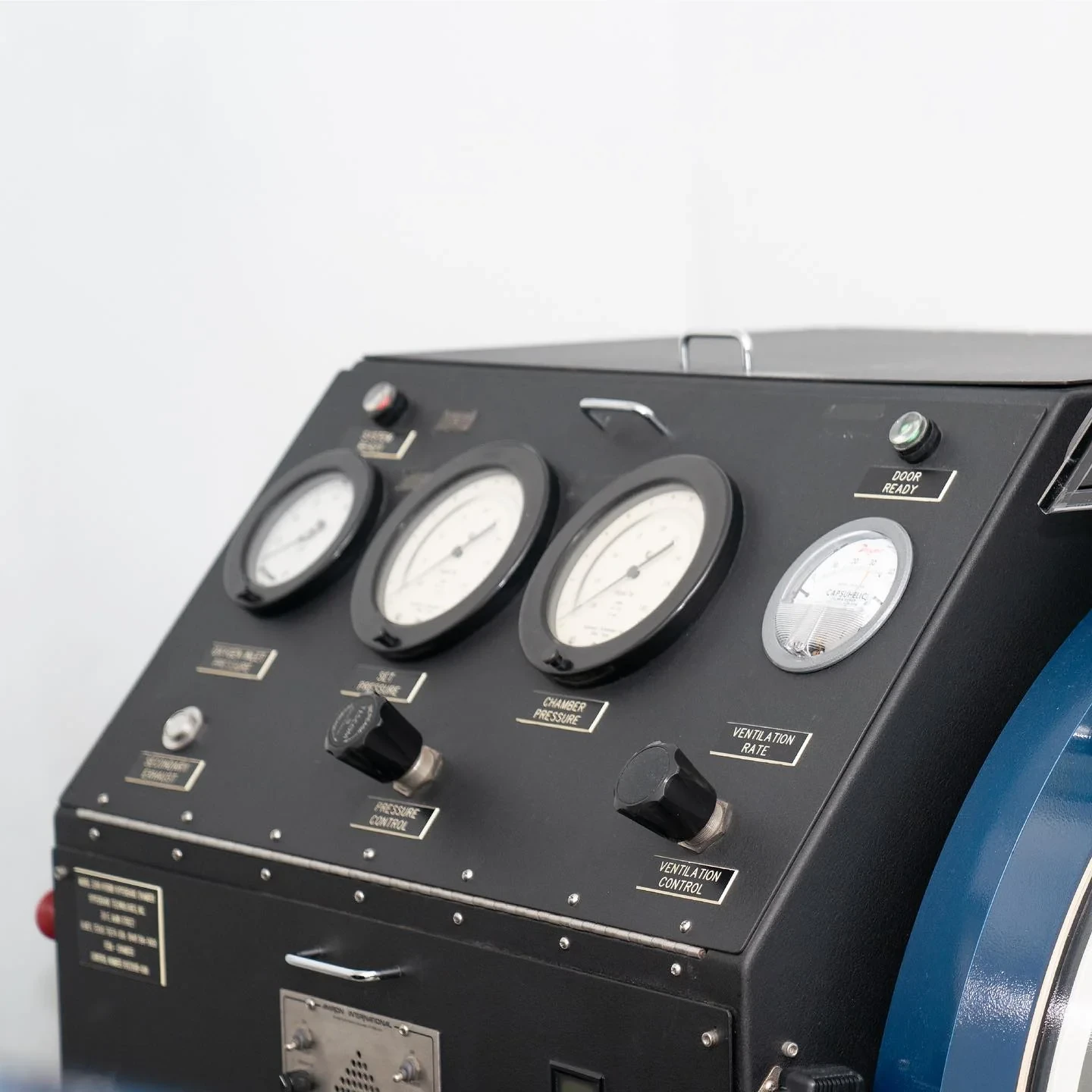
Pressure controls
Pressure gauges and valves on the chamber control panel. Ask who operates and monitors them during a session.
Before, during, and after a session.
An answer-first guide for first-time patients and people traveling to Santo Domingo for post-operative support.
Suitability and preparation
Share relevant conditions, medications, surgery timing, congestion, ear problems, and your surgeon's instructions. Follow the clinic's clothing and prohibited-item list.
Pressure and communication
Pressure changes should be gradual. Tell staff if ear or sinus pressure becomes painful, or if you feel anxious, short of breath, or unwell.
Review and coordination
Note any symptoms, continue your prescribed post-op plan, and report unexpected wound, breathing, pain, or swelling changes to the appropriate clinician.
Ask for the protocol, not a promise.
Request the chamber model, operating pressure, oxygen delivery method, session length, supervision, emergency procedures, and total price directly from the clinic.
How HBOT supports healing after surgery.
Hyperbaric oxygen therapy is used as a complement to your surgeon's recovery plan, never a replacement for it. These are the areas patients and surgeons most often discuss.
Swelling and bruising
Post-operative swelling and bruising are part of normal healing. Oxygen-rich plasma supports the tissue processes involved as swelling settles. Read how swelling and HBOT are discussed after surgery.
Wound healing support
Oxygen is required for collagen production, new blood vessel growth and cell repair at incision sites. HBOT raises the amount of oxygen dissolved in plasma so more reaches healing tissue.
Collagen and scar appearance
Collagen gives repaired skin its strength and structure. Supporting collagen formation is one reason patients ask about HBOT, collagen and skin during recovery.
Infection defense
Oxygen supports the white blood cells that fight bacteria. This is one of the established physiological roles of oxygen in tissue repair, alongside your surgeon's antibiotics and wound care.
Tissue and flap viability
Areas with reduced blood flow, such as flaps and grafts, are where dissolved oxygen can matter most, because plasma can reach tissue that red blood cells reach less easily.
Comfort during recovery
Many patients describe sessions as restful downtime: you lie inside a clear chamber, breathe normally, and can watch television while staff monitor the session from outside.
Which procedures do patients come in for?
Most Bella Oxygen patients are recovering from plastic surgery in Santo Domingo. These guides explain how HBOT is discussed after each procedure.
Liposuction
Bruising, swelling and contour settling after lipo. HBOT after liposuction
Tummy tuck
Incision support and mobility limits after abdominoplasty. HBOT after a tummy tuck
BBL
Positioning, fat graft care and surgeon instructions after a Brazilian Butt Lift. HBOT after a BBL
Breast surgery
Augmentation, lift and reduction recovery support. HBOT after plastic surgery
Mommy makeover
Combined procedures mean combined recovery plans. How HBOT fits a combined recovery
Swelling concerns
When swelling is normal and when it needs a clinician. Swelling after surgery and HBOT
Not sure if HBOT fits your recovery?
Tell us your procedure and surgery date on WhatsApp. We will explain how screening works and what to ask your surgeon, with no obligation.
Your session, step by step.
Knowing exactly what happens removes most of the anxiety first-time patients feel.
Check-in and screening
Staff review your surgery, medications and health history, and confirm your surgeon's plan allows HBOT.
Preparation
You change into suitable clothing and follow the clinic's list of items that cannot enter the chamber. See what to bring.
Gradual compression
Pressure rises slowly. You equalize your ears by swallowing or yawning, the same feeling as a flight taking off. Staff can pause at any time.
Treatment time
You rest inside the clear chamber while oxygen is delivered at the protocol pressure. Staff monitor you throughout and you can communicate at any point.
Gradual decompression
Pressure returns to normal slowly. Afterwards you review how you feel with staff and continue your prescribed post-op routine.
First session, in detail
Read the full walkthrough: what to expect at your first hyperbaric session.
How many sessions, and when to start?
There is no honest one-size-fits-all number. Your count depends on your procedure, your surgeon's instructions, how your tissue responds and the chamber protocol. HBOT should only start with your surgeon's clearance, and the plan is reviewed as your recovery progresses. Our guide explains the factors: how many hyperbaric sessions.
Safety and side effects
The most common issues are ear or sinus pressure discomfort. Less common risks are discussed at screening. HBOT safety and side effects
Who should not use a chamber
An untreated pneumothorax is an absolute contraindication, and several conditions and medicines need review first. Hyperbaric contraindications
Choosing a clinic
Screening, supervision, chamber type and emergency procedures are the questions that matter. Questions to ask a hyperbaric clinic
Patient voices.
Bella Oxygen holds a 4.9 rating from 27 public Google reviews. One patient wrote: "If I can give more than 5 stars I will." (Andrea, via Google.) Read more on our results page.
Post-op focus
The clinic's work centers on recovery after plastic surgery, in the same city where your surgery happens.
Real clinic photography
Every image on this site is from Bella Oxygen's own clinic and Instagram, so what you see is the actual chamber and setting.
Bilingual, WhatsApp-first
English and Spanish speaking staff, open daily 10 AM to 6 PM, with appointments arranged on WhatsApp. More about Bella Oxygen.
Treatment questions, answered.
More answers live on our full FAQ page.
Is hyperbaric oxygen therapy safe?
HBOT has an established safety profile when patients are screened and sessions are supervised. The most common problems are ear or sinus pressure discomfort. Screening exists to identify people for whom a chamber is not appropriate.
Will my ears hurt in the chamber?
You will feel pressure changes similar to a flight. Equalizing early and gently, by swallowing or yawning, prevents most discomfort, and staff can slow or pause compression at any time.
Can I start HBOT right after surgery?
Only with your surgeon's clearance. Timing depends on your procedure and how your incisions and drains are progressing, which is why we coordinate with your surgical plan rather than a fixed calendar.
Who should not use a hyperbaric chamber?
An untreated pneumothorax is an absolute contraindication. Lung disease, ear or sinus problems, pregnancy, fever and some medications also need professional review before any session.
Can HBOT replace my surgeon's aftercare?
No. HBOT is a complement to compression, medication, wound care, movement and follow-up visits. It never replaces your surgeon's instructions or assessment of new symptoms.
How will I know if it is helping?
Recovery is tracked through your symptoms, wound checks and your surgeon's follow-ups. Be cautious of any clinic that promises specific results or percentages; honest clinics discuss evidence and limits.
Book a screening conversation.
Bella Oxygen, C. Acantilado 13, Santo Domingo Este. Open daily 10 AM to 6 PM. Call +1 829-443-0842 or plan your visit on the appointments page.