Why contraindications matter
Hyperbaric oxygen therapy is a medical treatment, and like all medical treatments, it is not appropriate for everyone. Certain conditions make HBOT dangerous, and identifying them before treatment is one of the most important safety steps a clinic performs. This is why responsible providers insist on medical screening: the screening exists to catch the situations where the chamber could cause harm.
This guide explains the known contraindications in plain language. It is not a substitute for medical screening, and it does not cover every possible concern. Its purpose is to help you understand what the clinic is looking for and why, so you can provide complete information and have an informed discussion.
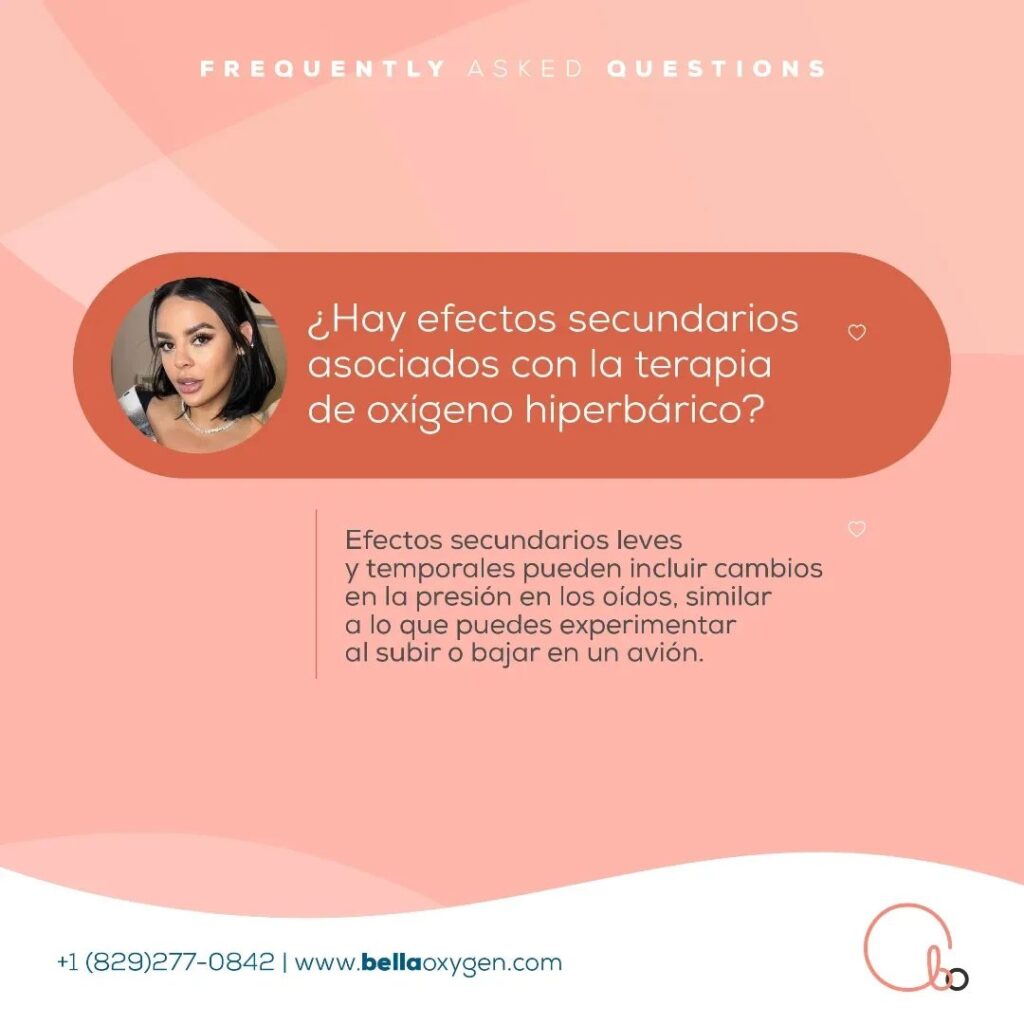
Learn more: Bella Oxygen, side effects.
Absolute contraindications
An absolute contraindication means the treatment should not be performed because the risk is unacceptably high. For HBOT, the primary absolute contraindication is:
Untreated pneumothorax. A pneumothorax is air trapped between the lung and the chest wall, sometimes called a collapsed lung. Under changing pressure, trapped air expands and contracts. In a hyperbaric chamber, this can convert a stable pneumothorax into a tension pneumothorax, a life-threatening emergency where pressure builds up and compresses the heart and lungs. Anyone with a current untreated pneumothorax must not enter a hyperbaric chamber.
People with a history of spontaneous pneumothorax need careful evaluation even if they do not currently have one. The structural lung issues that caused a previous collapse may increase the risk of another, and the clinic needs to assess this before treatment.
Relative contraindications
Relative contraindications are conditions that increase risk and require careful evaluation. Treatment may still be possible, but only with appropriate precautions and medical judgment:
- Chronic obstructive pulmonary disease (COPD) with air trapping. In some forms of COPD, damaged lung tissue traps air in blebs or bullae. Pressure changes can cause these to rupture, leading to pneumothorax. Patients with significant COPD need pulmonary evaluation before HBOT.
- History of seizures or seizure disorders. High oxygen levels can lower the seizure threshold. People with epilepsy or seizure history need their condition to be well controlled and should be evaluated carefully.
- Severe claustrophobia. This is not a medical danger in itself, but a patient who panics inside the chamber creates a safety risk. Many claustrophobic patients do fine in clear chambers with preparation, but severe cases may need alternatives.
- High fever or acute respiratory infection. Fever increases the risk of oxygen toxicity seizures, and congestion prevents proper ear equalization. Treatment is typically postponed until recovery.
- Certain chemotherapy drugs. Bleomycin and doxorubicin can interact with hyperbaric oxygen to cause lung or cardiac injury. Cisplatin may increase the risk of poor wound healing. A complete chemotherapy history is essential.
- Implanted devices. Some implanted electronic devices may not be rated for hyperbaric pressure. The device manufacturer should be consulted.
Ear and sinus considerations
The ears and sinuses deserve their own discussion because they are the most common source of problems during HBOT. Pressure must equalize across the eardrum as chamber pressure changes. Anything that blocks the Eustachian tubes, the small passages connecting the middle ear to the throat, makes equalization difficult or impossible.
Conditions that affect equalization include current ear infections, chronic Eustachian tube dysfunction, significant nasal congestion, sinus infections, and previous ear surgeries. None of these are necessarily permanent barriers to treatment, but they need to be identified and managed. Options include postponing treatment until congestion clears, using decongestants if appropriate, or in some cases placing pressure-equalization tubes in the eardrums.
Be completely honest with the clinic about ear and sinus issues, even if they seem minor. A stuffy nose that you barely notice in daily life can become a real problem under pressure.
Medication interactions
Several categories of medication require attention before HBOT:
- Chemotherapy agents mentioned above, particularly bleomycin and doxorubicin.
- Disulfiram, used for alcohol dependence, which can increase oxygen toxicity risk.
- Certain topical products containing petroleum or alcohol, which are fire hazards rather than drug interactions but still need to be removed before sessions.
This is why a complete medication list, including over-the-counter drugs, supplements, and topical products, is a standard part of screening. Do not omit anything because it seems irrelevant. Let the clinic’s medical staff make that judgment.
Special populations
Pregnancy. HBOT is generally avoided during pregnancy for elective purposes. The developing fetus may be sensitive to high oxygen levels, and the risk-benefit calculation does not favor treatment for non-urgent conditions. The exception is emergency situations like carbon monoxide poisoning, where the danger of not treating outweighs the theoretical risks.
Children. HBOT is used in children for specific medical indications, with protocols adjusted for their size and needs. The screening considerations are similar to adults, with additional attention to ear equalization, since children may have more difficulty with the techniques.
Elderly patients. Age itself is not a contraindication, but older patients are more likely to have the lung, heart, and ear conditions that require evaluation. Thorough screening is especially important.
Post-surgical patients. Recent surgery is not a contraindication in itself, but the clinic needs details: what procedure, when it was performed, the current state of healing, and whether the surgeon supports HBOT. Fresh surgical sites, drains, and certain dressings need to be managed appropriately.
Your role in safe screening
The screening process only works if you provide complete and honest information. This means disclosing your full medical history, all medications and supplements, any lung conditions, ear problems, seizure history, and previous reactions to pressure changes. It also means mentioning things you might not think are relevant, like a collapsed lung years ago or a course of bleomycin in the past.
A clinic that asks thorough questions is doing its job. A clinic that does not ask is not. If you encounter a provider that seems uninterested in your medical history before putting you in a pressurized chamber, that is a reason to find a different provider. Your safety depends on their diligence, and their diligence starts with screening.
Have questions about hyperbaric therapy?
Message Bella Oxygen on WhatsApp to discuss your situation.