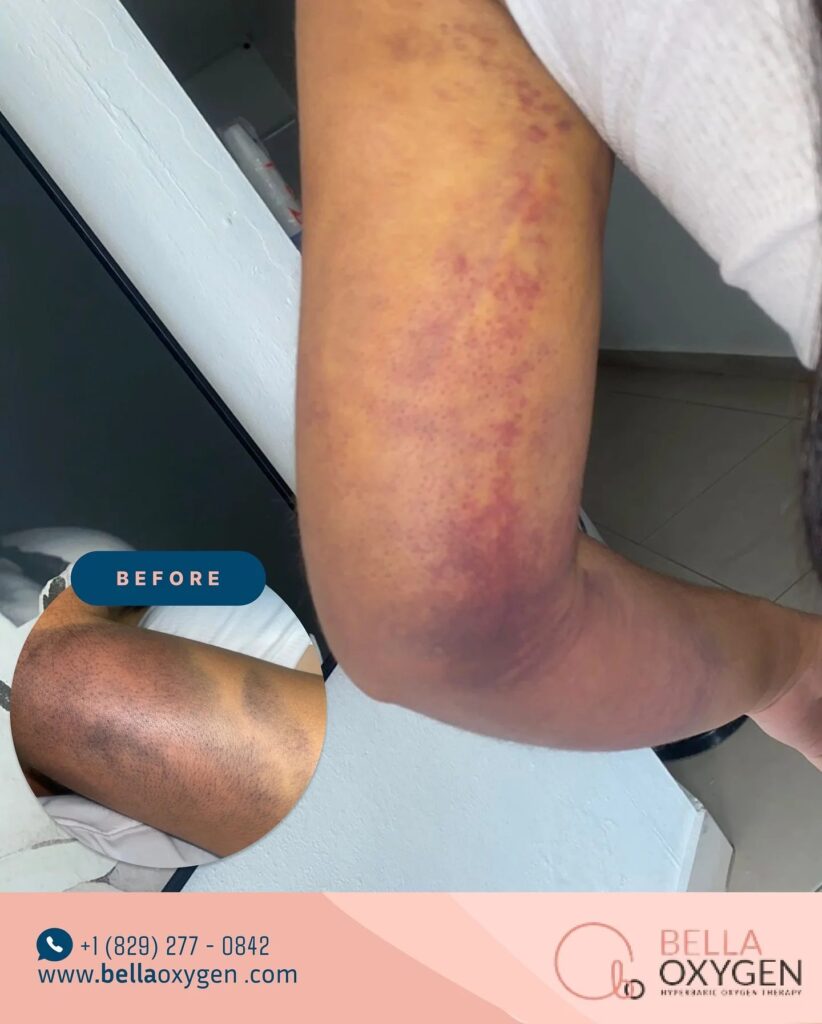
Why wounds need oxygen
Every wound, from a small cut to a surgical incision, sets off a complex repair process that depends heavily on oxygen. The cells that close wounds, fight infection, and rebuild tissue are among the most oxygen-hungry in the body. When oxygen supply falls short, healing slows, infection risk rises, and the quality of the repaired tissue suffers.
The key players in wound healing all require oxygen. Fibroblasts, the cells that produce collagen and rebuild the structural framework of tissue, need oxygen to synthesize collagen properly. White blood cells, particularly neutrophils that kill bacteria, use oxygen to generate the reactive molecules that destroy pathogens. Endothelial cells, which form new blood vessels in a process called angiogenesis, also depend on adequate oxygen levels.
Learn more: Bella Oxygen.
Collagen deserves special attention. It is the main structural protein in healing tissue, and the chemical reactions that create strong, properly cross-linked collagen require oxygen as a cofactor. Without enough oxygen, collagen is weaker and wound closure is less reliable. This is one reason that tissues with poor blood supply heal poorly: they cannot deliver enough oxygen to support proper collagen formation.
What happens when oxygen runs short
Tissue oxygen levels can fall for many reasons. Damaged blood vessels from trauma or surgery reduce delivery. Swelling compresses small vessels. Conditions like diabetes damage the microcirculation over time. Smoking constricts blood vessels and reduces oxygen carrying capacity. In each case, the result is the same: healing tissue that is starved of the oxygen it needs.
The consequences of low tissue oxygen, called hypoxia, are well documented. Collagen production drops. The ability of white blood cells to kill bacteria diminishes, which is why poorly oxygenated wounds are more prone to infection. New blood vessel formation stalls. In severe cases, tissue at the wound edges can die, causing the wound to enlarge rather than close.
The body has some ability to compensate. Low oxygen triggers the release of growth factors that stimulate new blood vessel growth, which is how the body tries to restore supply. But this compensatory response takes time, and in the meantime the wound remains vulnerable. When the gap between oxygen need and oxygen supply is too large, healing fails.
How HBOT raises tissue oxygen
Hyperbaric oxygen therapy addresses this problem directly. By breathing pure oxygen under pressure, the amount of oxygen dissolved in blood plasma increases dramatically. This raises the oxygen content of blood beyond what hemoglobin alone can carry, and crucially, it raises the pressure gradient that drives oxygen from blood into tissues.
Oxygen moves from blood to tissue by diffusion, flowing from areas of high concentration to areas of low concentration. The steeper this gradient, the further oxygen can penetrate into tissue. Under hyperbaric conditions, the gradient is much steeper than normal, which means oxygen can reach cells further from the nearest functioning capillary. For a wound with damaged local circulation, this extended reach can be decisive.
The effect also helps white blood cells do their job. Neutrophil killing of bacteria is an oxygen-dependent process, and studies have shown that raising tissue oxygen levels improves bacterial killing. This is part of why HBOT is used as an adjunct treatment for certain serious infections: it does not replace antibiotics, but it may help the immune system and antibiotics work more effectively.
Established uses in wound care
HBOT has well-established roles in specific wound scenarios. Diabetic foot ulcers that have not responded to standard care are one of the most recognized indications. In these cases, the combination of poor circulation and impaired healing creates exactly the kind of oxygen deficit that HBOT addresses. Treatment protocols typically involve daily sessions over several weeks.
Compromised skin grafts and surgical flaps are another established use. When transplanted tissue shows signs of failing because its blood supply is inadequate, HBOT can improve oxygen delivery to the threatened tissue while new blood vessels develop. The goal is to keep the tissue alive through the critical period.
Radiation tissue injury is a third area. Radiation therapy for cancer can damage blood vessels in ways that cause problems months or years later, including wounds that will not heal. HBOT is used to improve oxygenation in these damaged tissues and support healing.
What these uses share is a clear oxygen-delivery problem threatening tissue viability. HBOT is applied where the mechanism matches the need, under medical supervision, as part of comprehensive wound care that includes debridement, infection control, offloading, and other standard measures.
Relevance to surgical recovery
The connection to post-surgical healing is straightforward. Surgery creates wounds, internal as well as external. Liposuction disrupts tissue planes across large areas. Tummy tuck involves extensive undermining of abdominal skin. BBL transfers fat that must establish a blood supply to survive. In each case, healing tissues need oxygen, and local circulation may be temporarily impaired.
The same principles that make HBOT useful for problem wounds apply here in a milder form. Improved oxygen delivery may support collagen formation, immune function, and the general cellular work of repair during the weeks when healing demand is highest. This is the physiological basis for interest in HBOT as a complement to post-surgical recovery.
It is important to keep perspective. A routine surgical incision in a healthy person heals well without HBOT, and most cosmetic surgery patients heal without complications using standard post-operative care alone. HBOT is discussed as a supportive measure that may help optimize conditions for healing, not as a necessity or a guarantee of better outcomes.
What good wound care still requires
No matter how interesting the oxygen mechanism is, the fundamentals of wound care remain unchanged. Wounds need to be kept clean. Infections need to be identified and treated promptly. Dead tissue needs to be removed. Pressure on the wound needs to be managed. Nutrition needs to be adequate, since healing requires protein, vitamins, and calories as well as oxygen.
For post-surgical patients specifically, this means following your surgeon’s instructions carefully: wound care protocols, activity restrictions, compression garments, medications, and follow-up appointments. These are the foundation. HBOT, where appropriate, is an addition to this foundation, not a replacement for any part of it.
If you are recovering from surgery and have concerns about how your wounds are healing, your surgeon is the right person to talk to first. They can assess whether healing is progressing normally, whether any intervention is needed, and whether complementary approaches like HBOT make sense in your specific situation.
Have questions about hyperbaric therapy?
Message Bella Oxygen on WhatsApp to discuss your situation.